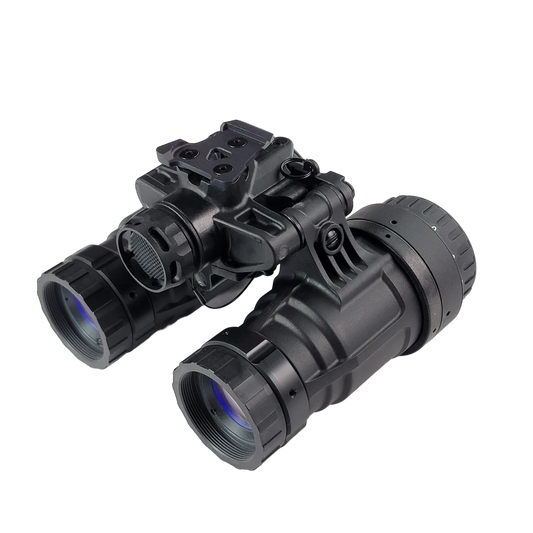
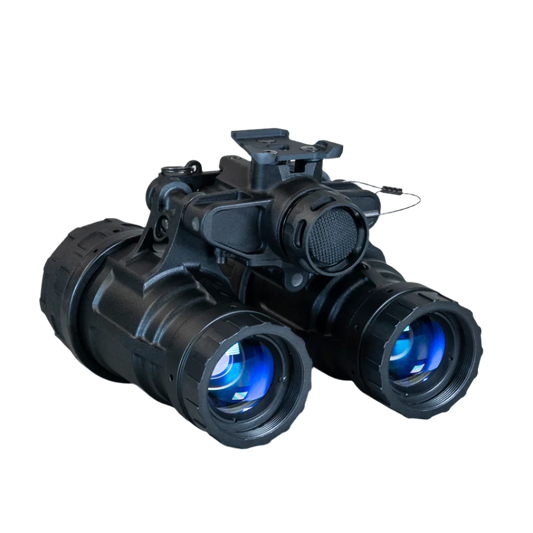
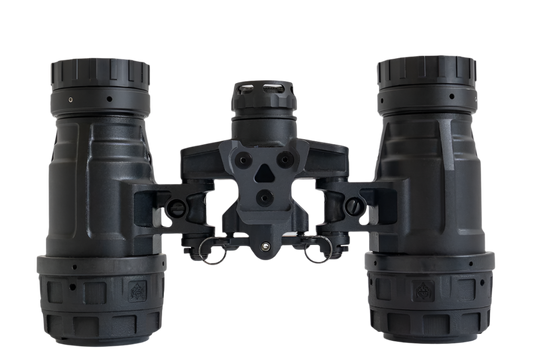
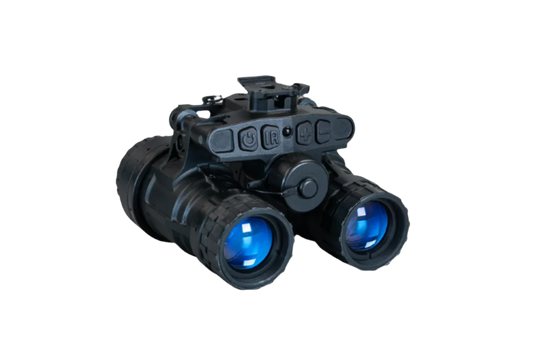
Night Vision Housings for Custom NVG Builds
The housing is the foundation of a night vision system. It determines the physical layout, control system, power configuration, articulation, weight, and overall ergonomics of the finished device.
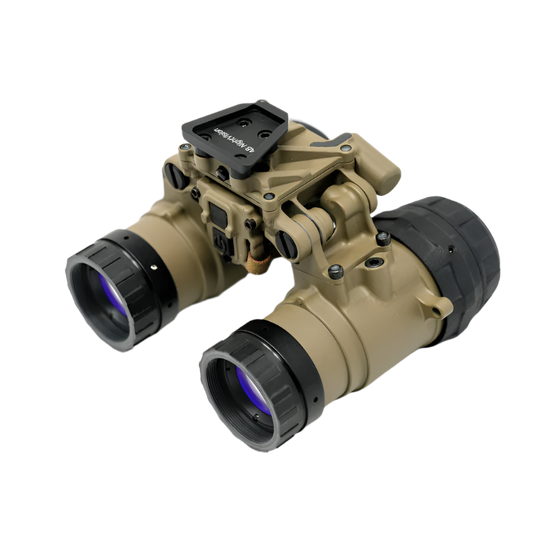
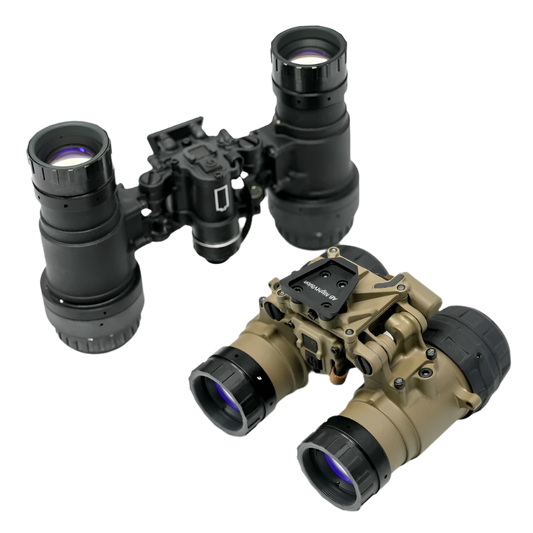
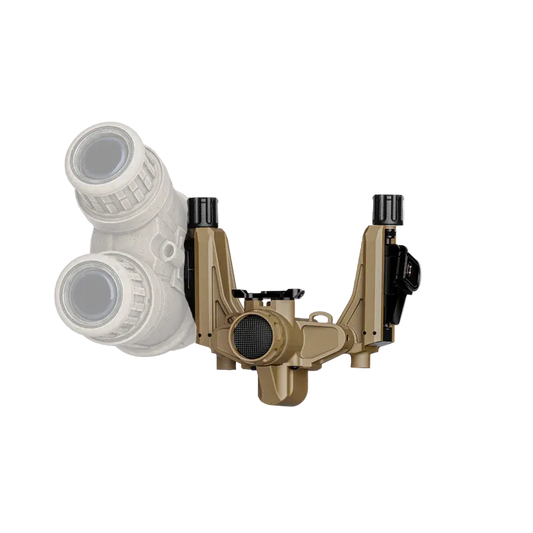
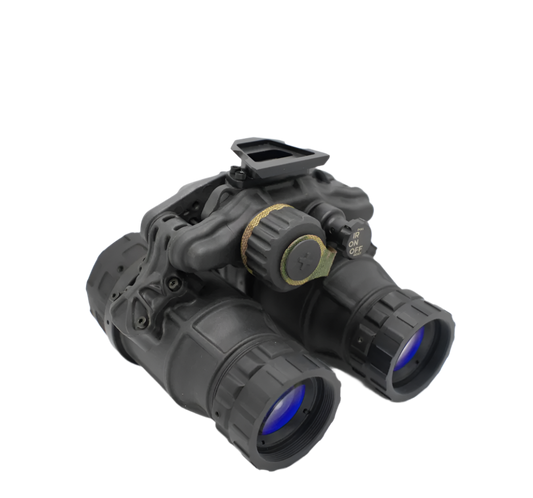
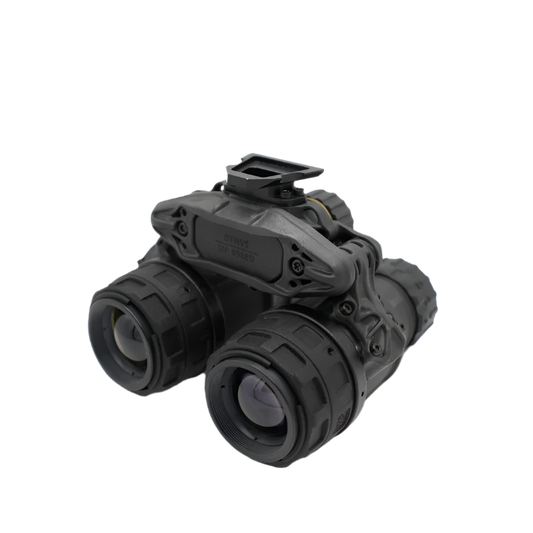
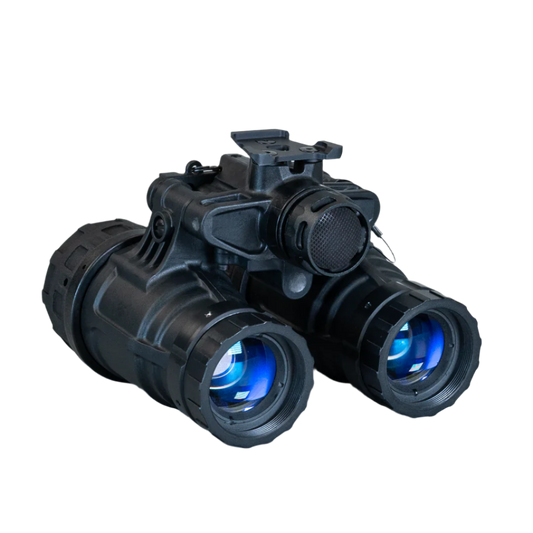
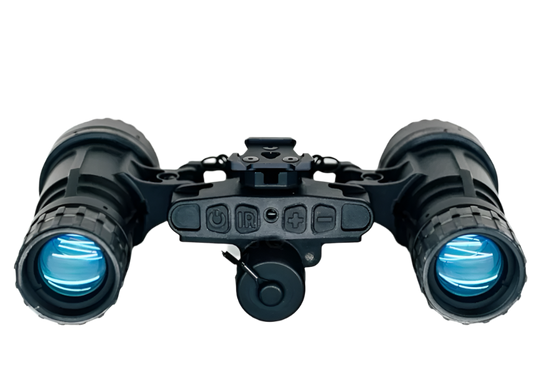
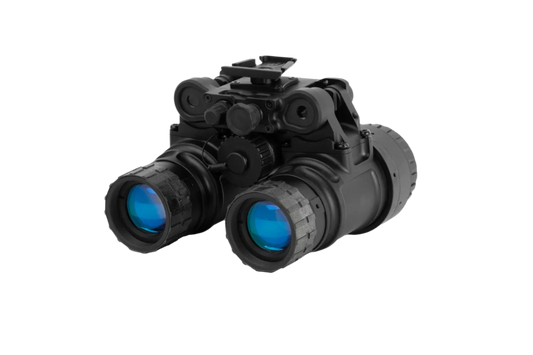
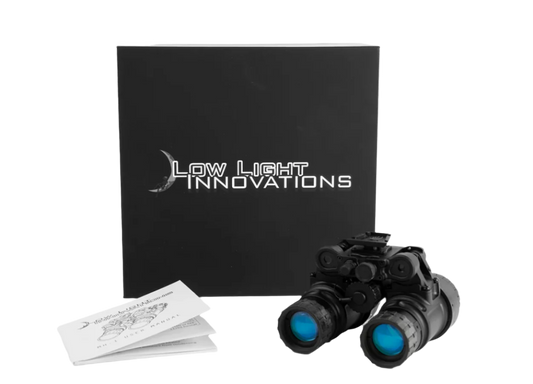
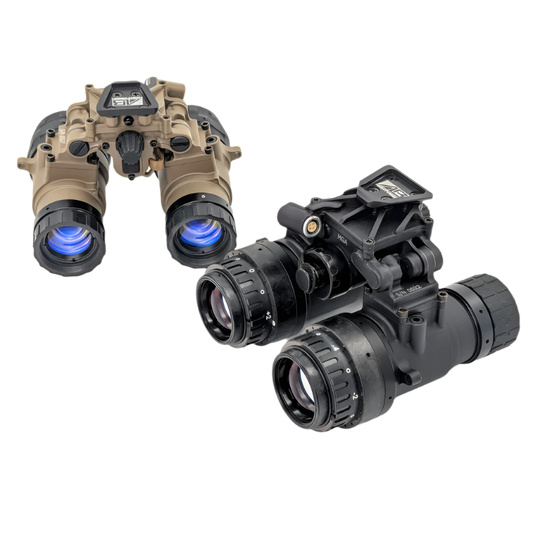
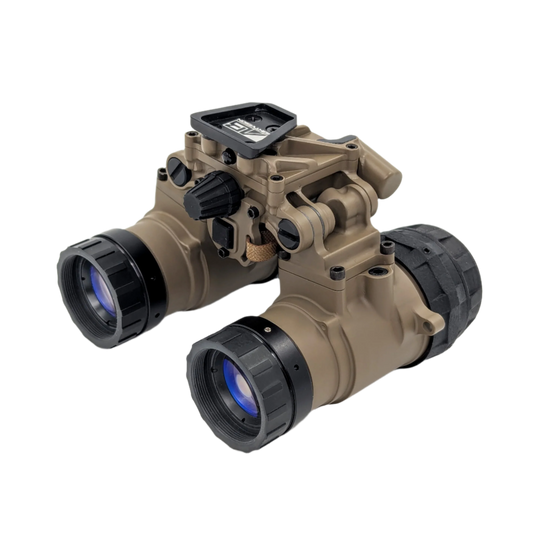
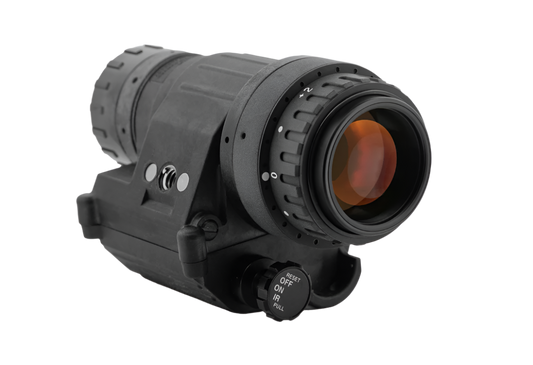
Quad Defense offers night vision housings for both monocular and binocular builds, including lightweight polymer designs, magnesium housings, and rugged aluminum options from manufacturers such as Nocturn Industries, Low Light Innovations, AB Night Vision, and others.
Monocular vs. Binocular Housings
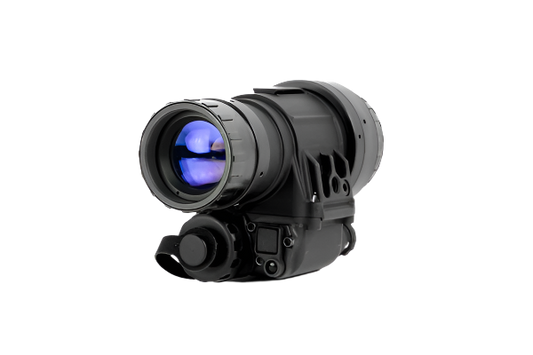
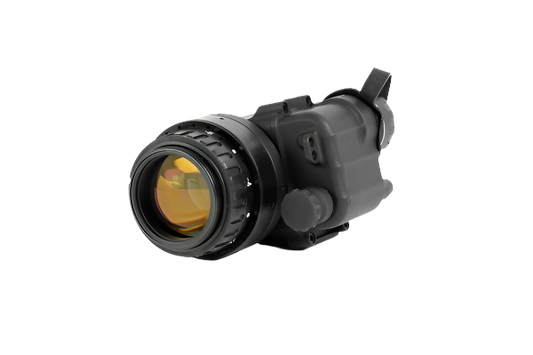
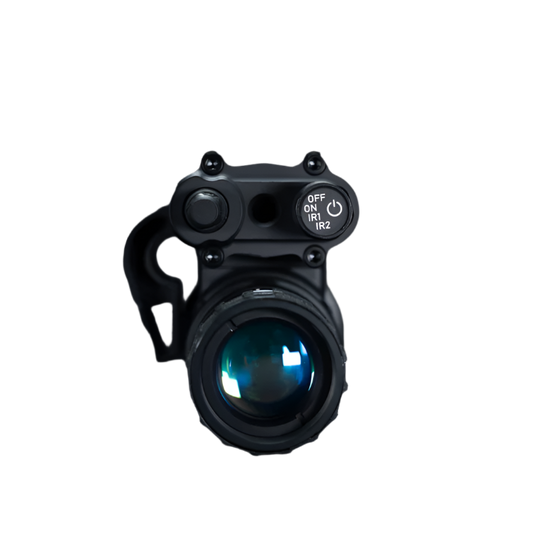
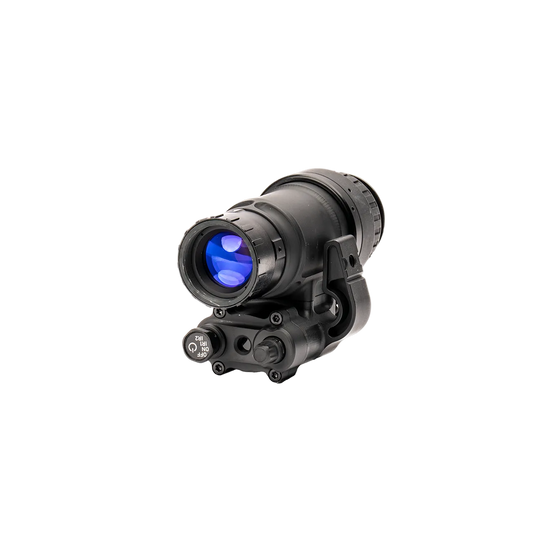
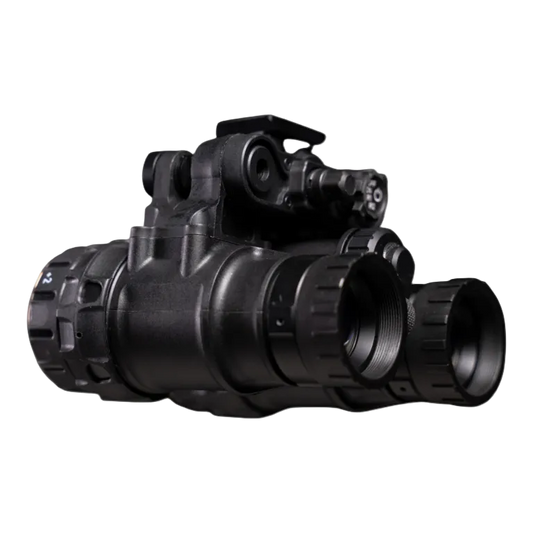
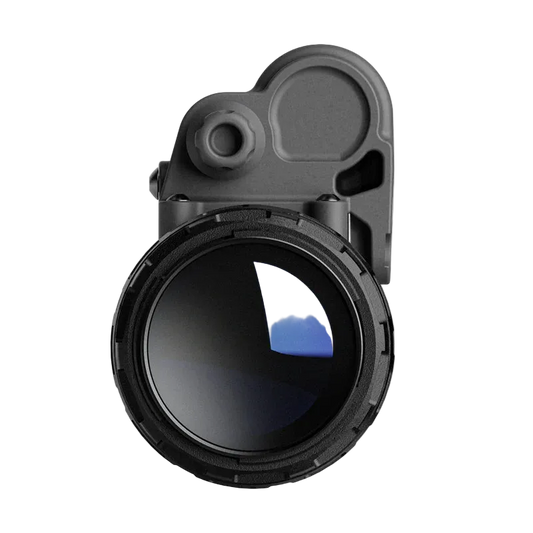
Monocular housings use a single image intensifier tube and are typically lighter and simpler than dual-tube systems. PVS-14-pattern monoculars remain one of the most versatile night vision formats for helmet-mounted, handheld, and general-purpose use.
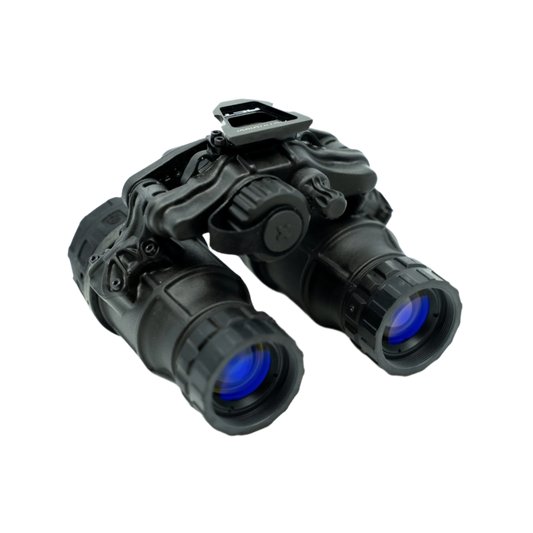
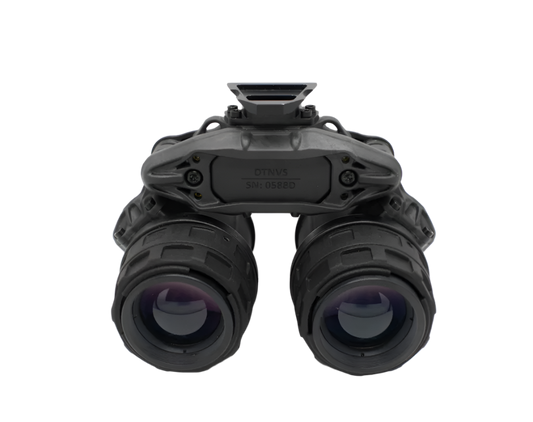
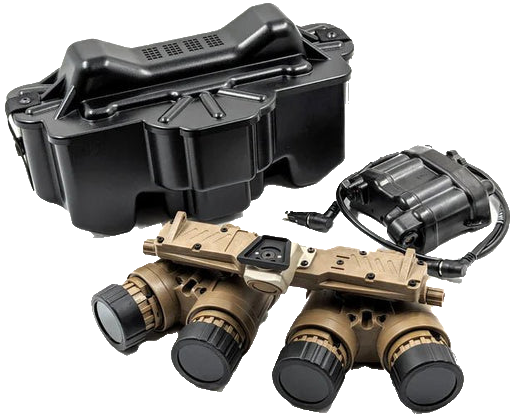
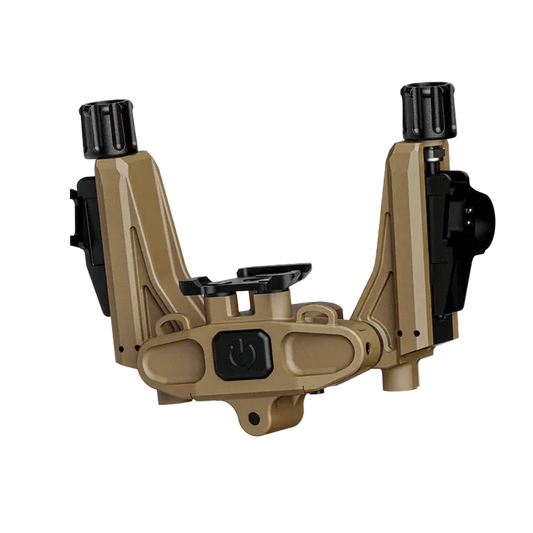
Binocular housings use two image intensifier tubes and provide dedicated night vision to both eyes. Depending on the housing, they may use an articulating or fixed-bridge architecture and can include features such as manual gain, external power, individual pod shutoff, or onboard infrared illumination.
Articulating vs. Fixed-Bridge Night Vision
Articulating housings allow each optical pod to rotate independently. This can make it easier to stow the system close to the helmet, move one pod out of the way, or adjust the system around the user's setup.
Fixed-bridge housings use a rigid bridge between the optical channels. Their simpler architecture can appeal to users who prioritize durability, straightforward controls, and fewer moving components.
Manual Gain & Controls
Some night vision housings support manual gain, allowing the user to adjust image brightness based on ambient lighting conditions and personal preference.
Other housings use fixed-gain image intensifiers and simpler control layouts. Neither approach is automatically better for every user; the right choice depends on the image intensifier type, intended use, and desired control scheme.
Housing Materials & Weight
Housing material can have a significant effect on the weight, durability, and feel of the completed night vision system.
- Polymer and fiber-reinforced housings can provide substantial weight savings.
- Magnesium housings balance low weight with a rigid metal structure.
- Aluminum housings prioritize rugged construction and structural strength.
The finished weight of an NVG also depends on the image intensifiers, objective lenses, eyepieces, battery configuration, and accessories used in the build.
Housing Upgrades
If your existing image intensifier tubes still perform well, replacing the entire night vision device may not be necessary. In many cases, those tubes can be transferred into a newer housing to gain updated ergonomics, articulation, controls, power options, or reduced weight.
Quad Defense offers housing upgrades and night vision service through The Service Bench.
Build a Complete Night Vision System
Choosing a housing is only one part of a complete NVG build. Image intensifier performance, optics, power configuration, and intended use should all be considered together.
Use our Dark Room Night Vision Configurator to select a housing, image intensifier tubes, and optics for a complete custom night vision system.
Learn More About Night Vision
Need help understanding housings, image intensifier specifications, optics, or system configuration? Visit QDEF Technical for practical night vision education and buying guidance.
Read Night Vision 101 →

 Sold out